As power banks become increasingly powerful and widely used, battery safety has become just as important as charging speed and capacity.
This is one reason why semi-solid-state battery technology is attracting growing attention. But what makes a semi-solid-state power bank different, and how could this emerging battery technology contribute to a safer portable charging experience?

Traditional lithium-ion batteries typically use a liquid electrolyte to move lithium ions between electrodes.
Depending on the specific chemistry and design, semi-solid-state batteries use a semi-solid or gel-like electrolyte structure. They sit between traditional lithium-ion batteries and all-solid-state batteries, which use solid electrolytes.
This alternative structure has attracted attention for its potential advantages in energy density, stability, and battery design.

Power banks can store a significant amount of energy in a compact space. During everyday use, batteries may undergo charging and discharging, generate heat, or experience occasional physical impact.
As a result, battery safety cannot be determined by capacity or charging speed alone.
The overall safety of a power bank depends on multiple factors, including battery chemistry, cell design, protection systems, thermal management, manufacturing quality, and testing.
Semi-solid-state technology is therefore noteworthy not simply because it is new, but because its different battery structure may offer new possibilities for improving stability and safety.

Semi-solid-state technology has the potential to enhance battery stability and safety, but it should not be considered a guarantee of safety.
Compared with conventional liquid-electrolyte systems, semi-solid-state designs can reduce the amount of free-flowing liquid electrolyte within the battery structure, depending on the specific implementation.
However, the safety of the final product still depends on the complete battery system, including its design, manufacturing process, and protection mechanisms.
This is why testing is an essential part of battery safety.

Battery safety testing helps evaluate how a battery responds under demanding conditions.
Mcdodo's semi-solid-state magnetic power bank undergoes nail penetration, high-temperature, and crush tests as part of its safety testing process.
These tests expose the battery to abnormal physical or thermal conditions to evaluate its stability beyond everyday use.
For battery-powered products, advanced technology and rigorous testing need to go hand in hand.

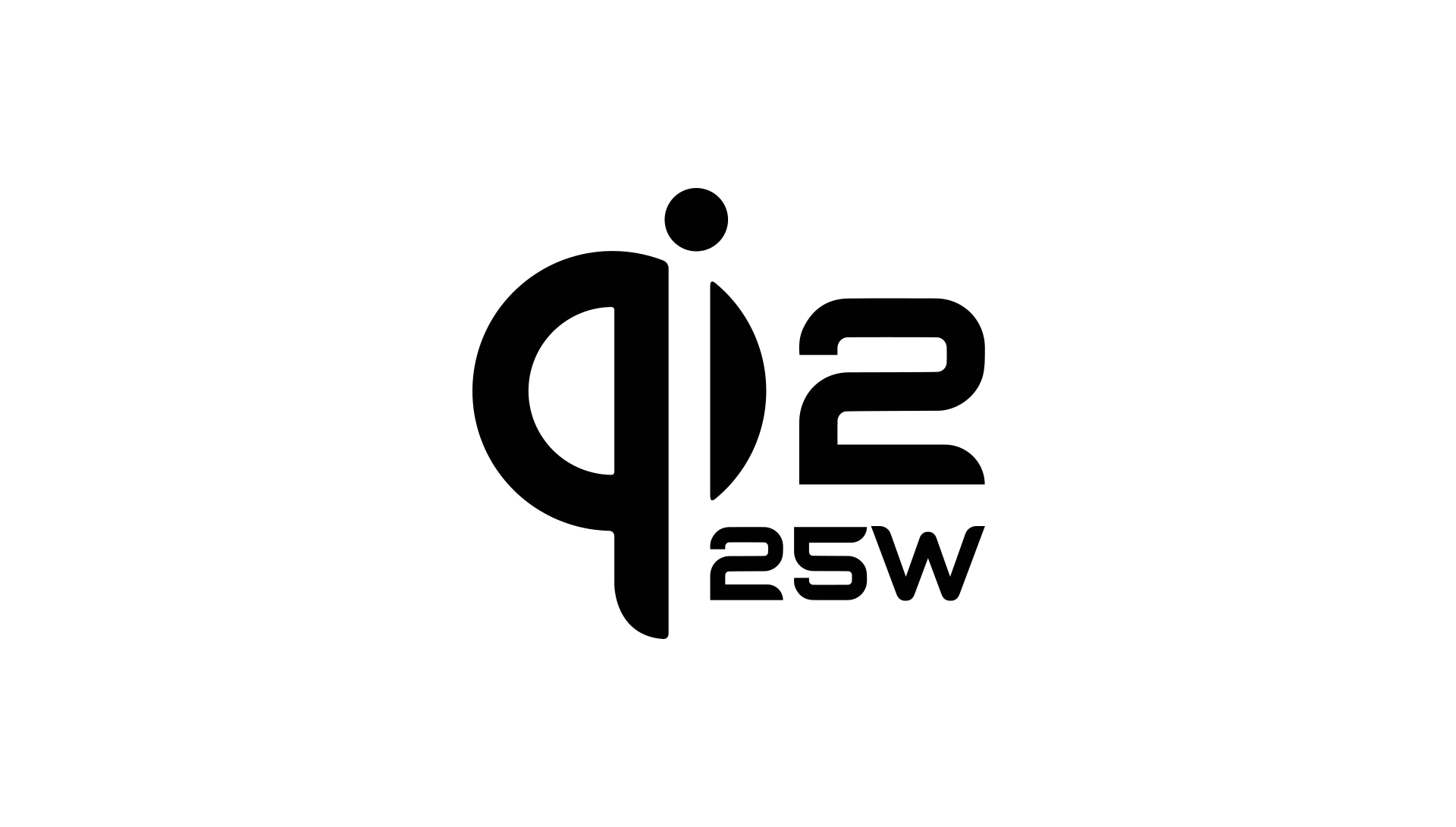
This approach comes to life in Mcdodo's 10000mAh 25W Qi2.2 Magnetic Semi-Solid-State Battery Power Bank.
Combining semi-solid-state battery technology with a 10,000mAh capacity, up to 25W charging power, and Qi2.2 magnetic wireless charging, the power bank brings battery innovation into an everyday charging experience.
The idea is simple: advances in battery technology should not remain confined to the laboratory. They should translate into thoughtfully designed products that people can use with greater confidence every day.